The life cycle of a mine
A mine is a wasting asset. What it is worth depends on its stage, and each stage has its own buyers, funders and valuation methods.
The stages
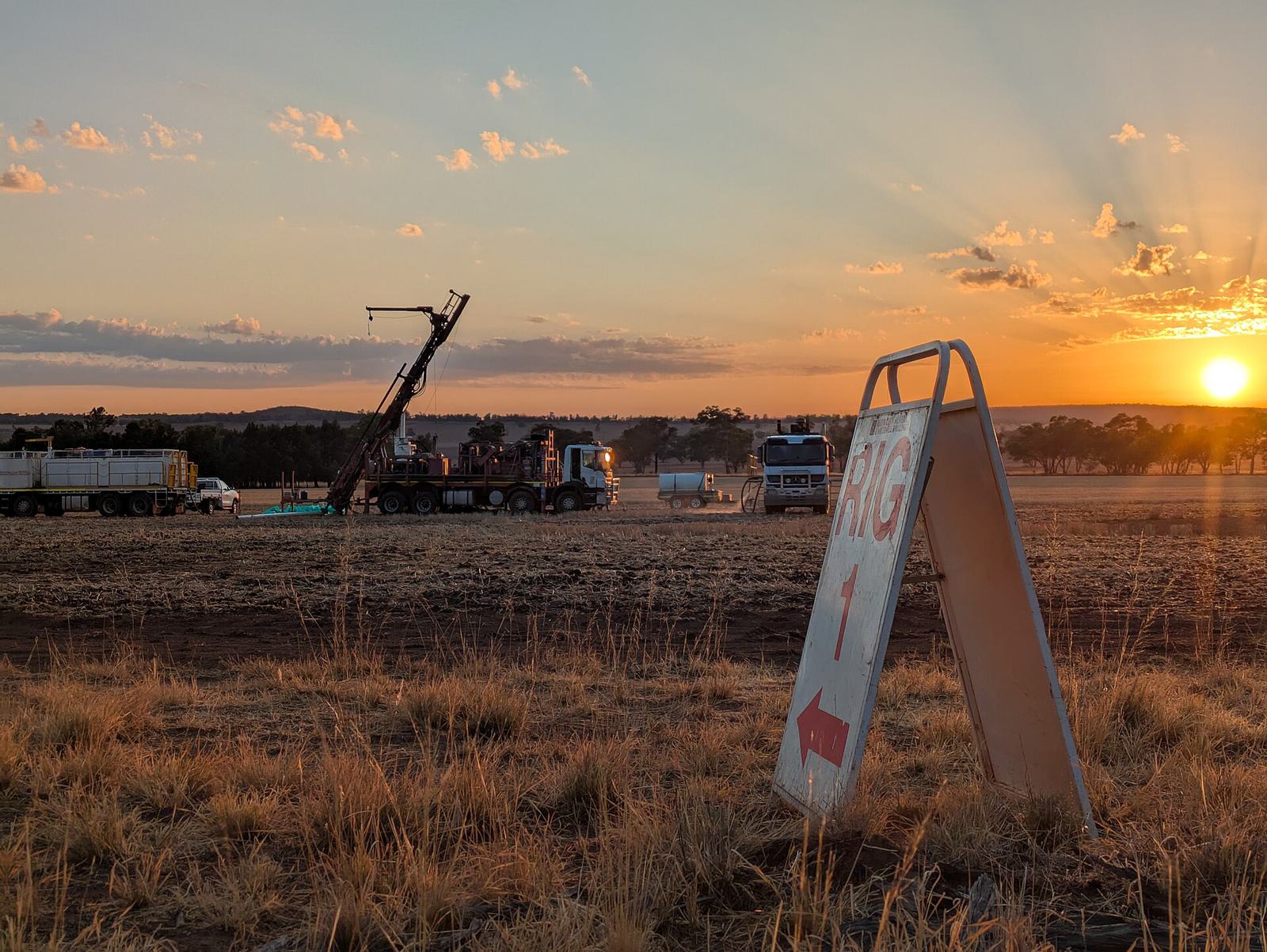
- Exploration. Surface geology, geophysics, geochemistry, then drilling. Greenfield work happens in untested ground; brownfield work sits near an existing mine and carries less risk. The vast majority of projects never become mines.
- Resource estimation. Once drill spacing is tight enough, a competent person publishes a resource under a reporting code.
- Scoping study (PEA in Canada). A first economic look, accurate to roughly ±30 to 50%. It may include inferred resources.
- Pre-feasibility study (PFS). Accuracy of ±20 to 25%. The mining method and process route are chosen, and reserves can be declared for the first time.
- Feasibility study (FS or DFS). Accuracy of ±10 to 15%, with detailed engineering. This is the document banks require before lending.
- Permits, funding, construction. Impact assessment, community agreements, financial close, then two to four years of building.
- Production. Ramp-up, then steady state. Reserves deplete, so near-mine exploration extends the life.
- Closure and rehabilitation. The environmental liability sits on the balance sheet and must be checked in due diligence.
The Lassonde curve
In the orphan period, the company has spent its cash, the discovery is old news and cash flow is still years away. The share price falls even though geological risk has gone down. Strategic buyers exploit exactly this gap.
Key takeaways
- The further a project moves through studies, the lower its risk and the closer its value to its NPV.
- A scoping study gives orders of magnitude, not bankable numbers.
- Majors mostly buy between pre-feasibility and the construction decision.
Check your understanding
1. Which study is accurate to roughly ±10 to 15%?
- Scoping study
- Pre-feasibility study
- Feasibility study
- Resource estimate
Answer: Feasibility study. The feasibility study, the document banks lend on.
2. When do strategic buyers often step in on the Lassonde curve?
- At the concept stage
- In the orphan period between discovery and production
- At depletion
- Only after first production
Answer: In the orphan period between discovery and production. Value dips while risk has already fallen.
3. What is brownfield exploration?
- Exploring near an existing mine or infrastructure
- Exploring untested ground
- Reprocessing tailings
- Exploring offshore
Answer: Exploring near an existing mine or infrastructure. It carries less risk than greenfield work.